African Grey Parrot Design: A Designer’s Honest Review
First Impressions: Bold, Lifelike, and Ready for Real Projects
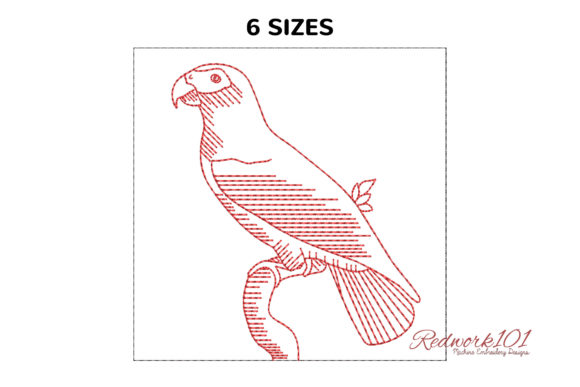
The African Grey Parrot Design immediately stands out with its detailed feather texture and expressive posture. From a design standpoint, it strikes a balance between realism and stitch efficiency. The optional box stitch adds a framing element that can elevate the design for boutique-style items, though it’s easy to skip if you’re going for a cleaner, minimalist look. As an embroidery designer, I appreciate how the parrot’s shape naturally fits into standard hoop sizes without requiring excessive resizing.
Real-World Use: From Sweatshirts to Custom Patches
I recently tested this design on a custom embroidered tote bag and a lightweight sweatshirt. The African Grey Parrot Design stitched cleanly on both, with crisp feather outlines and a strong satin stitch beak that didn’t pucker the fabric. On the tote, it became a conversation piece—customers would likely see it as high-end and handmade with care. For the sweatshirt, the design scaled well without losing definition, making it a solid choice for personalized gifts or small shop merchandise.
It also works beautifully on baby items. I stitched a smaller version on a burp cloth, and the soft thread colors brought out the parrot’s gentle expression. For Etsy sellers or crafters, this design translates well into seasonal items—think holiday ornaments or nursery wall hangings. The visual personality of the parrot is playful yet elegant, fitting for both modern and rustic aesthetics.
Commercial Appeal: From Patches to Printables
As a digital product seller, I can see this design being used across multiple platforms. The African Grey Parrot Design adapts well to embroidered patches, which can be sold as-is or attached to hats, jackets, or bags. It also holds up in printable mockups, especially when paired with lifestyle photos of tote bags or home decor items. The clarity of the design makes it easy to showcase in digital listings, which is key for building customer trust and engagement.
For small business owners or boutique creators, this embroidery design can be part of a cohesive brand kit. Whether stitched onto aprons for a bird-themed café or used on packaging tags for a nature-inspired product line, the design reads as professional and intentional.
Where to Be Careful: Fabric, Size, and Stitch Density
While the design is strong overall, there are a few caveats. I noticed that on stretchy knit fabric, the beak and wingtips needed a bit more stabilization to prevent distortion. Using a lightweight cutaway stabilizer helped maintain clarity without adding bulk. On dark fabric, the contrast of the thread colors became more critical—especially in the eye area, where small details can get lost if the thread is too similar in tone.
This design isn’t ideal for very small hoop sizes. The intricate feather detailing requires a minimum size to maintain legibility. I’d recommend at least a 4x4 hoop to preserve the visual impact. Also, if you're stitching on curved surfaces like caps or baby booties, test the placement first to ensure the parrot’s posture still reads correctly once stitched.
Design Performance: Clarity, Flow, and Thread Use
One thing I always check is stitch density and thread transitions. This design uses a smart layering approach—fill stitches for the body and satin stitches for the edges, which keeps the design from feeling too heavy. The thread color changes are minimal, which is a plus for production efficiency. That said, if you’re using a limited thread palette, be sure to test how the color shifts affect the final look.
The optional box stitch is a nice touch for framing, but keep in mind that it’s a separate color in most versions. If you’re using this in a commercial setting, factor in the extra thread change and whether it adds enough visual value to justify the effort.
Practical Notes for Embroidery Designers
- Test the African Grey Parrot Design on scrap fabric before committing to your final product.
- Check how thread color contrast affects the design’s clarity, especially on dark or textured fabrics.
- Review stitch density to avoid puckering, especially on thin or stretchy materials.
- Confirm hoop size compatibility before resizing for different projects.
- Inspect small details like the eye and beak to ensure they stitch cleanly.
- Test the design in black and white mockups to see how it reads without color cues.
- Compare how it looks on light versus dark fabric to guide your product choices.
- Use the right stabilizer—especially for stretchy or loosely woven materials.
- Check licensing terms before using the design in commercial embroidery or digital product sales.
Final Thoughts: A Versatile Design for Real-World Use
The African Grey Parrot Design is more than just a pretty bird—it’s a practical, adaptable embroidery file that can elevate your handmade products and custom projects. Whether you're creating personalized gifts, boutique apparel, or digital design assets, this embroidery file delivers a professional finish with minimal hassle. Just be mindful of fabric choice, hoop size, and thread contrast, and you’ll get a polished result every time.
For Etsy sellers and small shop owners, this design is a smart addition to your catalog—especially when paired with lifestyle-driven product photography. It reads as high-quality and handmade, which helps build customer trust and repeat sales. If you’re looking for a bird-themed embroidery design that performs well across multiple use cases, the African Grey Parrot Design is definitely worth a test stitch.