French Bulldog Head: An Embroidery Design Review
As an embroidery designer who has spent years digitizing and testing files for commercial production, I approach every new machine embroidery design with a critical eye. When planning inventory for a personalized gift shop or an Etsy store, we cannot rely solely on how a file looks in software. The true test is how it performs on actual fabric and whether it translates into a product that customers perceive as high-value. Recently, I have been evaluating the French Bulldog Head design specifically for use in custom orders ranging from nursery items to wedding keepsakes. This review breaks down my practical experience testing this design for real-world application.
First Impressions and Emotional Appeal
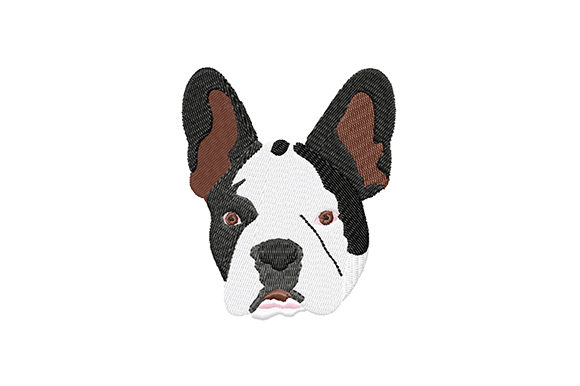
The moment you load this embroidery file, the mood is immediately apparent. French Bulldogs are currently one of the most requested breeds in the Dogs category, but popularity alone does not guarantee sales. What makes this specific French Bulldog Head design stand out is its balance of cheerful expression and clean lines. It captures that signature affectionate nature without looking cartoonish or overly complex. For a handmade product, this distinction is vital. Customers seeking custom embroidery often want something that feels timeless rather than trendy.
In my initial assessment, the design reads as sweet yet sophisticated. It avoids the cluttered look that can plague some animal designs, making it versatile enough for both a playful baby blanket and a more refined kitchen towel. The emotional connection is strong; Frenchie owners view their pets as family members, so a design that accurately reflects that friendly personality creates instant buyer engagement. Whether you are creating a personalized gift for a new puppy owner or updating your shop’s seasonal catalog, this aesthetic flexibility is a major asset.
Real-World Application Scenarios
When integrating this design into a product lineup, versatility is key to maximizing return on investment. During my testing phase, I focused on three primary categories where this French Bulldog Head excels.
Nursery and Baby Products
Baby embroidery requires a delicate touch. I tested this design on cotton interlock and minky fabric for nursery decor. The outline definition held up beautifully against the pile of the minky, which is crucial for blanket embroidery. Because the design symbolizes a friendly nature, it pairs exceptionally well with pastel thread colors for gender-neutral gifts. However, when stitching on stretchy baby clothes, the placement matters. Center-chest placement on onesies worked best, whereas larger placements near seams caused distortion. Always verify your hoop size allows for adequate margin around the design to prevent hoop burn on delicate infant fabrics.
Home Decor and Kitchen Linens
For home goods, texture is everything. I stitched this French Bulldog Head onto a terry cloth embroidered towel and a linen pillow cover. On the towel, the design provided excellent coverage without becoming bulletproof or stiff. This is a common issue with dense dog designs, but this file maintained a soft hand-feel suitable for drying dishes or hands. On the linen pillow cover, the contrast between the smooth stitches and the natural fabric texture created a premium, artisanal look. These applications are perfect for small shop product listings targeting homeowners who love pet-themed decor that still matches their interior aesthetic.
Wedding and Keepsake Gifts
It might seem unusual to use a dog design for a wedding gift, but modern couples often include their pets in their big day. I found this design works surprisingly well on tote bags and aprons for bridal parties where the couple owns a Frenchie. The key here is elegance. By using monochromatic threads (like white-on-white or gold-on-cream), the French Bulldog Head transforms from a cute pet portrait into a subtle, sentimental motif. This elevates the perceived value and moves the item from "novelty" to "cherished keepsake."
Critical Considerations for Production
While the design is robust, no digital embroidery file is immune to production variables. As an experienced maker, I must highlight areas where caution is necessary to protect your reputation and reduce waste.
- Textured and Thick Fabrics: While it performed well on standard terry, extremely thick plush towels may bury fine details. If you plan to offer this on luxury bath sheets, run a test stitch-out first. You may need to adjust top tension or use a water-soluble topping to keep the French Bulldog Head crisp.
- Small Lettering and Details: If you intend to add personalization like a name beneath the design, be mindful of scale. Reducing the French Bulldog Head too much to accommodate text can cause registration issues. Ensure any accompanying text remains legible at the reduced size.
- Dark vs. Light Fabrics: Thread contrast dramatically changes the outcome. On dark denim, the design pops with vibrant energy. On light cream fabrics, it feels softer and more vintage. Before listing a new colorway, create a printable mockup or physical sample to ensure the contrast meets customer expectations.
- Stretchy Materials: As mentioned with baby clothes, knits require proper stabilization. Using a cut-away stabilizer is non-negotiable for maintaining shape after washing. A tear-away will likely result in puckering around the edges of the French Bulldog Head after the first laundry cycle.
Enhancing Perceived Value and Trust
For Etsy sellers and small business owners, the quality of your embroidery directly correlates to customer trust. A poorly executed stitch-out suggests a lack of professionalism. Conversely, a perfectly registered French Bulldog Head signals expertise. When photographing your finished product, lighting should highlight the sheen of the thread and the accuracy of the details. Avoid heavy filters that hide stitch quality.
Furthermore, transparency builds loyalty. Clearly state in your product descriptions if the design is optimized for specific fabrics. If you have tested it on aprons and blankets, say so. Customers appreciate knowing that a commercial embroidery provider has done the legwork. This reduces returns and increases positive reviews, which are the lifeblood of digital marketplaces.
Practical Technical Notes for Makers
Before adding this design to your commercial lineup, adhere to these professional best practices:
- Verify Specifications: The product description notes this is a quality embroidery for decorating products from tissue, but always check the specific stitch density, dimensions, and compatible formats in your download. Never assume compatibility with your machine without checking the technical sheet.
- Test on Scrap Fabric: Never stitch a final product without a test run. Use scrap material that matches the weight and weave of your intended product. Check for gaps, pulls, or excessive density.
- Stabilizer Selection: Match your stabilizer to the fabric, not just the design. Woven fabrics generally need tear-away; knits and stretchy fabrics need cut-away; sheer fabrics need water-soluble backing.
- Commercial Licensing: Crucially, confirm the license terms included with your purchase. Just because you bought the embroidery file does not automatically grant unlimited commercial rights for selling finished goods. Respect the digitizer's terms to avoid legal issues.
- Thread Color Planning: Document your successful thread combinations. Create a reference guide for future orders so you can replicate the exact shade of fawn or brindle that made your sample French Bulldog Head look so authentic.
Ultimately, the French Bulldog Head is a promising addition to any embroidery business focusing on pet lovers and personalized gifts. Its blend of charm and technical adaptability makes it a reliable choice for everything from baby blankets to wedding totes. By approaching production with the same care and testing rigor outlined above, you can turn this digital file into a tangible, profitable, and beloved product line.