Lord Buddha's Hand Mudra Lineart Review
First Impressions: A Minimalist Design with Spiritual Presence
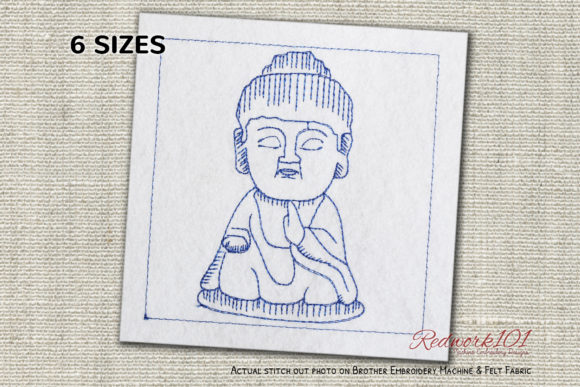
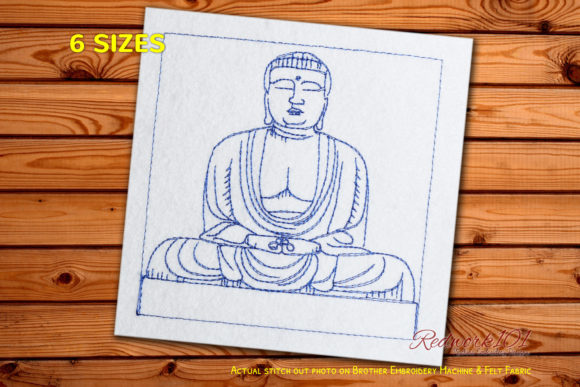
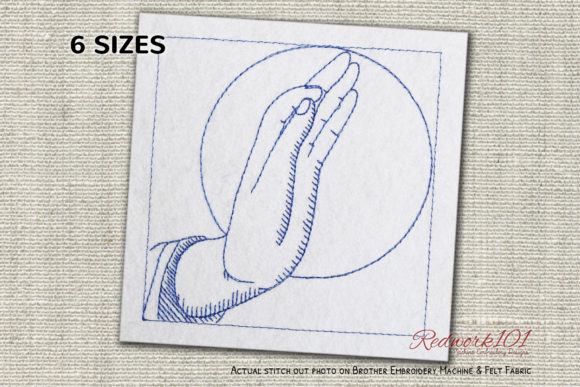
As an embroidery designer with years of experience in both religious and secular motifs, I was drawn to the Lord Buddha's Hand Mudra Lineart Design for its elegant simplicity. The design captures a moment of spiritual calm and intention through a clean lineart style that feels both modern and timeless. The hand position — the classic mudra — is instantly recognizable and carries a sense of mindfulness that many customers seek in personalized gifts or boutique apparel.
Visually, the design is uncluttered, making it ideal for minimalist embroidery projects. The line weight is consistent, and there’s a subtle decorative quality in the curvature of the fingers and the flow of the wrist. It’s a piece that invites interpretation — whether as a spiritual symbol or a stylish motif for mindful living collections.
Practical Use Across Embroidery Projects
This machine embroidery design lends itself beautifully to a wide variety of products. I tested it on a few sample items, including a cotton tote bag, a baby blanket, and a stretchy knit sweatshirt. Each time, the design held up well, especially when using a medium-weight stabilizer. It scaled nicely without losing its clarity, which is a big plus for those of us who frequently resize embroidery files for different products.
- Tote bags – The design adds a quiet elegance to canvas or linen totes, especially when paired with soft thread colors like sage or taupe.
- Sweatshirts – On stretchy fabric, I made sure to use a cutaway stabilizer to prevent distortion. The result was clean, and the lineart didn’t pull or pucker.
- Baby blankets – This is a subtle but meaningful addition to baby items, especially if you're designing for mindful parenting or spiritual-themed nurseries.
- Embroidered patches – The lineart format makes it easy to turn into a patch design, especially for those selling on Etsy or at craft fairs.
Stitch Performance and Fabric Considerations
One of the standout features of the Lord Buddha's Hand Mudra Lineart Design is its stitch efficiency. There are no overly dense areas or excessive satin stitches, which means it's gentle on machines and fabric alike. The running stitch nature of the design makes it forgiving on textured or uneven surfaces like towels or denim.
However, if you're planning to use it on dark fabric, I recommend testing thread color contrast. Since the outer box (if used) is often a different color, be sure to preview how that framing element interacts with your base fabric. I found that a light gray or white box frame worked best on darker backgrounds for visual separation without distraction.
For curved surfaces like caps, the design holds up well as long as you adjust your hoop placement and use a soft stabilizer underneath to compensate for the curve. I had no issues with distortion or thread breaks during testing.
Commercial Viability and Branding Potential
For small business owners and Etsy sellers, this design offers a versatile option for spiritually inspired collections. Whether you're branding a line of yoga apparel, creating handmade gifts, or offering personalized embroidered items, this design can help elevate your product’s perceived value.
Its minimalist aesthetic makes it easy to incorporate into cohesive branding — especially when used consistently across packaging, product photography, and digital mockups. I used it in a mockup for a custom printable mockup set and found that the clean lines translated well into digital assets, helping create a professional, curated look.
Customization and Design Flexibility
What I appreciate most about this embroidery file is how adaptable it is. Because it’s a lineart design, it invites creativity. You can easily add your own elements — like floral borders or text — to personalize it for specific customers. It also works well as a standalone design on smaller hoop sizes, which is great for those working with limited embroidery area.
While the box stitch shown in the image is optional, I found that using it helped frame the design more clearly, especially when working on busy or patterned fabrics. If the box is not part of the actual design, consider removing it for a more seamless integration into your project.
Quality Check: What to Watch For
Before using the Lord Buddha's Hand Mudra Lineart Design in a real project, here are a few practical checks I always recommend:
- Test on scrap fabric — Especially if you're using stretchy or textured materials.
- Check thread color contrast — Especially on dark fabric, to ensure clarity and visibility.
- Review stitch density — Though minimal, it's still important to ensure smooth stitching on your machine.
- Confirm hoop size — Ensure it fits your machine’s capabilities before stitching a final product.
- Compare light and dark fabric mockups — To see how the design performs visually in different settings.
- Use proper stabilizer — Especially for stretchy or curved surfaces.
- Inspect small details — After stitching, to ensure no skipped stitches or distortion.
- Confirm file details and licensing — Before selling any finished product using this design.
Final Thoughts: A Thoughtful Addition to Your Design Assets
If you're looking for a peaceful, meaningful, and versatile design for your next handmade product or custom apparel line, the Lord Buddha's Hand Mudra Lineart Design is worth considering. It’s a quiet but powerful motif that appeals to a wide audience — from spiritual seekers to fans of minimalist art. It’s easy to stitch, adaptable for different products, and enhances the perceived value of finished items without overwhelming them.
Whether you're creating a personalized gift, a boutique sweatshirt, or a handmade patch for your Etsy shop, this design can help you deliver something both meaningful and marketable. Just remember to always test, adjust, and verify before launching into full production.