Phone Case - in the Hoop: A Business Design Review
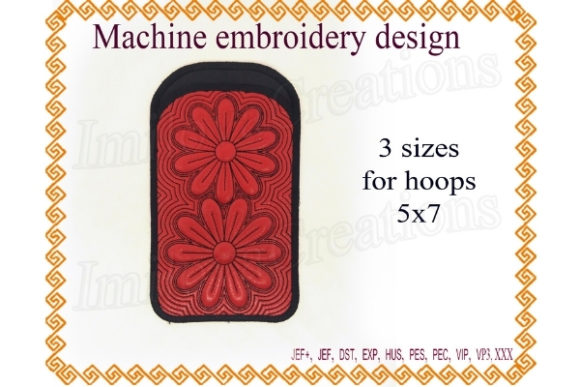
As an experienced embroidery designer evaluating assets for commercial production, my first assessment of any machine embroidery design focuses on versatility and structural integrity. When reviewing the Phone Case - in the Hoop project, the immediate impression is one of playful professionalism. While the title suggests a specific accessory application, the description highlights a "high-quality and cute" aesthetic that translates surprisingly well into broader small business merch. For boutique owners, café operators, and handmade brands, this design offers a unique intersection of utility and branding. It does not feel overly industrial; rather, it carries a friendly, approachable visual personality that aligns perfectly with creative studios, florists, pet brands, and local bakeries looking to soften their corporate identity without sacrificing quality.
Evaluating Visual Personality for Brand Identity
In the realm of brand identity, the "cute" descriptor in the product details is a strategic asset rather than a limitation. For businesses targeting a younger demographic or emphasizing artisanal craftsmanship, sterile logos often fail to connect emotionally. The Phone Case - in the Hoop design inherently communicates a sense of care and detail. When I review this for a client, I see potential beyond just phone accessories. The construction implies clean lines and manageable complexity, which are essential for maintaining recognition across various mediums. Whether used as a standalone motif or integrated into a larger collection of design assets, this style supports a cohesive narrative of handmade excellence. It signals to customers that the business values aesthetics and tactile experiences, thereby increasing perceived product value and buyer engagement.
Real-World Applications for Small Business Merchandise
The true test of any digital embroidery file is its performance across different substrates. Based on the structural cues of this In-the-Hoop (ITH) format, here is how I recommend deploying it for commercial embroidery projects:
- Embroidered Patch Production: Because ITH designs are constructed to be self-finishing, this file is an excellent candidate for creating standalone patches. These can be applied to denim jackets, backpacks, or sold as add-on merchandise at point-of-sale. The contained nature of ITH stitching ensures clean edges that withstand handling.
- Apron Embroidery and Staff Uniforms: For cafés and bakeries, placing this design on apron pockets or chest areas adds a whimsical yet branded touch. It serves as a conversation starter with customers while reinforcing team unity through consistent visual markers.
- Tote Bag Design and Packaging: Canvas totes are a staple for Etsy sellers and retail boutiques. This design scales well on heavier canvas weights, turning a functional bag into a walking advertisement. Additionally, smaller iterations can embellish fabric packaging or dust bags, elevating the unboxing experience.
- Boutique Merchandise Lines: Beyond the obvious phone case application, consider using the design elements on coin purses, key fobs, or tablet sleeves. This maximizes the ROI of a single embroidery file by creating a coordinated product family.
Technical Considerations and Usage Limitations
While the Phone Case - in the Hoop design is versatile, professional decorators must exercise caution regarding placement and substrate selection. Not every application is suitable for ITH-style digitizing when repurposed for general apparel or caps.
Cap Embroidery and Curved Surfaces
ITH designs are typically digitized flat. Applying this directly to a structured cap front requires careful testing. The stitch density optimized for flat phone cases may cause puckering or registration issues on curved cap visors. If adapting for headwear, I strongly advise running a test sew-out specifically on cap backing to ensure the design does not distort. You may need to adjust pull compensation or reduce density slightly to accommodate the curve.
Fabric Texture and Stabilizer Selection
The "cute" aesthetic often relies on precise alignment of satin stitches and fill patterns. On highly textured fabrics like terry cloth or loose-knit sweaters, these details can get lost or snagged. Always match your stabilizer to the fabric texture. For stretchy knits used in custom apparel, use a cut-away stabilizer to prevent the design from warping after washing. For the intended phone case application or tote bags, a firm tear-away or fusible mesh usually provides the necessary stability for crisp ITH construction.
Size Reduction and Detail Integrity
Be wary of resizing this design too small for sleeve cuffs or tiny labels. ITH designs contain specific folding allowances and seam lines that serve structural purposes. Reducing the design below its intended dimensions can render these functional elements useless or create excessive bulk. Always verify the minimum safe size before committing to production runs on small items.
Professional Designer Notes for Production Success
To ensure the Phone Case - in the Hoop meets commercial standards, follow this pre-production checklist. These steps mitigate risk and ensure the finished product reflects your brand’s quality standards:
- Verify File Formats and Hoop Size: The product description notes multiple formats are included, but you must confirm compatibility with your specific machine. Crucially, check the required hoop size before purchasing. Ensure your equipment can accommodate the full ITH workspace, including any extra margin needed for clamping.
- Test in Black and White First: Before committing to full-color production, stitch a monochrome version. This reveals the underlying structure and highlights any density issues or gap problems that color changes might hide. It is the fastest way to validate digitizing quality.
- Audit Thread Colors and Contrast: "Cute" designs often rely on pastel or high-contrast palettes. Test your specific thread colors against your chosen merchandise fabric. What looks vibrant on screen may appear muddy on dark navy uniforms or washed out on cream canvas. Adjust thread selections based on physical swatches, not digital previews.
- Create a Printable Mockup for Approval: If producing for a client or a new internal product line, generate a printable mockup showing the design in context. This manages expectations regarding size, placement, and color accuracy before needle hits fabric.
- Confirm Commercial Licensing: As this is a digital purchase, review the license terms explicitly. Ensure you have the right to sell finished products featuring this design. Respect intellectual property to protect your business reputation.
- Wash Test for Durability: Phone cases endure significant friction and handling. If adapting this for washable items like aprons or shirts, perform a wash test. Check for thread shrinkage, stabilizer residue, or seam failure after three cycles. Customer trust depends on longevity.
Final Verdict for Embroidery Entrepreneurs
The Phone Case - in the Hoop represents more than just a protective accessory pattern; it is a viable component of a comprehensive merchandise strategy. Its inherent charm makes it particularly valuable for businesses seeking to humanize their brand through handmade product aesthetics. By respecting technical constraints regarding stabilization, sizing, and substrate choice, small business owners can leverage this design to create distinctive, high-value goods. Whether utilized for its intended purpose or adapted as a signature accent on uniforms and totes, this design demonstrates how specialized embroidery files can drive both visual consistency and commercial success. Always prioritize testing and quality control to ensure every stitched item upholds the professional standard your customers expect.