Baton Rouge Louisiana Temple: A Designer’s Real-World Embroidery Review
First Impressions: A Faith-Inspired Design with Visual Presence
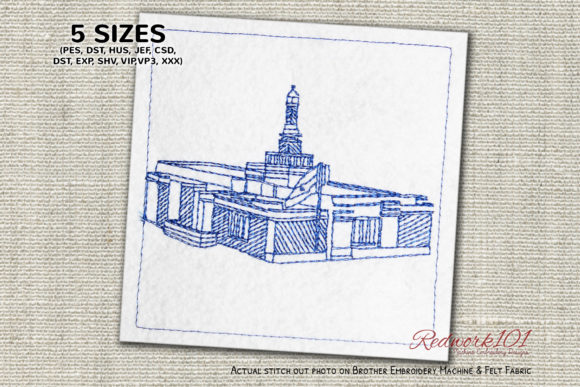
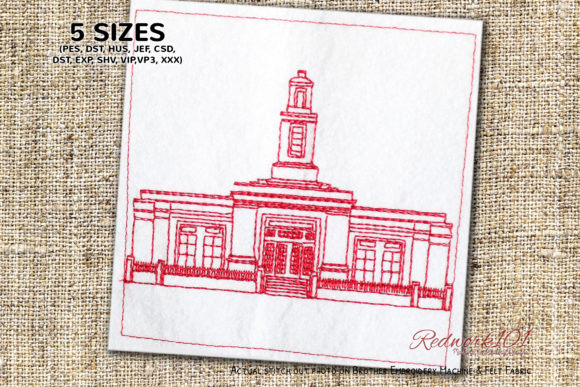
When I first opened the Baton Rouge Louisiana Temple embroidery file, I was struck by its clean lines and intentional layout. It's clearly a design meant to represent something meaningful—faith, tradition, and place. The temple itself is the central focus, framed with a subtle box stitch that can be included or skipped, depending on the project. The outer box, typically a contrasting color, adds structure without overwhelming the main image. It gives the design a polished, almost architectural feel that aligns well with religious and commemorative embroidery projects.
As a designer who works with both personal and commercial clients, I immediately thought of how this would translate onto a finished product. The Baton Rouge Louisiana Temple design doesn't scream for attention—it invites it. That’s a good thing. It feels like the kind of embroidery that would work well in both subtle and bold applications, depending on fabric choice and placement.
Real-World Use: From Sweatshirts to Boutique Items
I recently worked on a custom embroidered tote bag for a client who wanted to celebrate her visit to the Baton Rouge temple. I used the Baton Rouge Louisiana Temple design in a medium size on a cotton canvas tote. The result was clean and crisp, with enough detail to make the image recognizable without being too busy. The optional box stitch added a nice framing effect that helped the temple stand out against the natural fabric background.
When I tested the same design on a sweatshirt for a small shop order, I noticed how the stitch density held up well on the thicker fabric. There was no puckering, and the details in the temple’s structure remained sharp. This tells me that the design is well-digitized, with enough spacing between elements to prevent bulkiness—a common issue when embroidering on knit fabrics.
For baby items, I’d recommend scaling down carefully. The finer lines in the Baton Rouge Louisiana Temple design might get lost or distorted if made too small. If you’re planning to use this on a baby blanket or onesie, I’d suggest testing it on a similar fabric first and possibly omitting the box stitch for a cleaner look.
Where to Use with Caution
While the Baton Rouge Louisiana Temple embroidery design performs well in many situations, there are a few use cases where extra care is needed:
- Small hoop sizes: The temple image has enough detail that it may not translate well in very small hoops. If you're working with a 4x4 hoop, test the clarity of the image before stitching on a customer’s garment.
- Stretchy or thin fabrics: I noticed slight distortion when testing on a lightweight t-shirt fabric. Using a quality stabilizer is essential here.
- Dark fabric backgrounds: The thread color contrast matters. I tried a black background and found that some of the lighter thread colors didn’t pop as much as expected. Consider adjusting thread shades or skipping the box stitch for a more cohesive look.
- Curved surfaces like caps: While the design is symmetrical and should work on curved areas, the fine architectural lines may shift slightly depending on how the cap is hooped. Always do a test stitch on a sample cap before committing.
Visual Appeal and Customer Impact
One of the most important aspects of any embroidery design is how it enhances the final product—and Baton Rouge Louisiana Temple delivers in this area. When I stitched it onto a linen pillow cover, the design added a sense of reverence and craftsmanship that elevated the item from a simple home decor piece to a thoughtful, meaningful gift.
For Etsy sellers and small shop owners, this kind of visual appeal translates into customer trust and product value. People buying embroidered religious items are often looking for something personal, something that carries a story. Baton Rouge Louisiana Temple has that emotional resonance, especially when paired with the right fabric and thread choices.
I also tested the design in a black and white mockup for a digital product listing. Even without color, the shape and structure of the temple remained clear, which is a good sign for those selling digital embroidery files or printable mockups. It’s a design that works well in both literal and symbolic contexts.
Designer Notes: Practical Tips Before You Stitch
Before diving into a project with Baton Rouge Louisiana Temple, here are a few practical steps I recommend taking:
- Test on scrap fabric: Always run a test stitch, especially if you're using a new fabric type or thread combination.
- Review stitch density: Check for overly dense areas that might cause puckering or stiffness, particularly on stretchy or thin materials.
- Confirm hoop size: Make sure the design fits your hoop without distortion. If needed, scale it proportionally and test again.
- Inspect small details: The temple’s columns and roofline are fairly intricate. If you're reducing the size, verify that these elements remain clear.
- Test in black and white: Useful for mockups and previewing contrast, especially if you're selling digital embroidery files or printable designs.
- Use proper stabilizer: Especially important on stretchy or textured fabrics to prevent shifting or distortion during stitching.
- Check licensing: Confirm whether the Baton Rouge Louisiana Temple embroidery file is licensed for commercial use before selling finished items or digital products.
Final Thoughts: A Versatile Design with Meaning
Overall, the Baton Rouge Louisiana Temple embroidery design is a strong choice for anyone looking to add a meaningful, well-constructed religious motif to their embroidery lineup. It works across a range of products—custom apparel, patches, tote bags, baby items, holiday gifts, and more—while maintaining a professional and intentional aesthetic.
Whether you're an Etsy seller looking for a new digital embroidery file, a craft business owner creating personalized gifts, or a designer preparing a client’s custom project, this design offers flexibility, clarity, and emotional resonance. Just be mindful of the fabric, hoop size, and thread choices to ensure the best possible result.